Specialty Coffee Chains Expand Across Southeast Asia: ZUS Coffee and Blue Bottle’s Latest Moves
Tuesday, May 6th, 2025
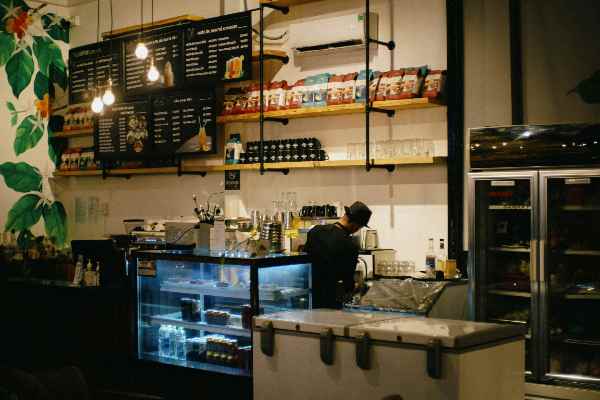
The speciality coffee market in Southeast Asia has been seeing strong growth, with major brands expanding regionally, tapping into rising consumer demand for premium beverages. Malaysian-born ZUS Coffee and US-based Blue Bottle Coffee are the latest players to deepen their footprint in the region, creating new opportunities across the food and beverage supply chain.
Southeast Asia’s coffee market is projected to grow at a compound annual growth rate (CAGR) of 6.2 percent between 2024 and 2029, driven by urbanisation, higher disposable incomes, and a maturing consumer palate. Younger consumers in particular are embracing specialty coffee as part of a broader café culture lifestyle, further fuelling demand for premium products and novel concepts.
In particular, the specialty coffee market in Southeast Asia has been seeing strong growth, with major brands expanding regionally, tapping into rising consumer demand for premium beverages. Most recently, Malaysian-born ZUS Coffee and US-based Blue Bottle Coffee are the latest players to deepen their footprint in the region, reflecting broader trends that could create new opportunities across the food and beverage supply chain.
Specialty Coffee Chains Expansion: ZUS Coffee and Blue Bottle Coffee
ZUS Coffee, known for its accessible specialty offerings and digital-first model, recently announced its entry into Southeast Asian markets beyond Malaysia. With over 350 outlets established within Malaysia, the brand is now targeting key urban centres such as Jakarta and Manila, aiming to bring its tech-driven coffee experience to a broader audience. ZUS’s focus on affordability, convenience, and quality positions it well against regional competitors, as consumers increasingly seek premium experiences at accessible price points.
Meanwhile, Blue Bottle Coffee, often associated with artisanal, third-wave coffee culture, opened its first café in Singapore earlier this year. The outlet features Blue Bottle’s signature minimalist design and slow-coffee ethos, offering both classic pour-overs and locally tailored menu items. Singapore’s strategic position as a regional business and lifestyle hub made it an attractive choice for Blue Bottle’s continued Asia-Pacific expansion, following its previous launches in Japan, Korea, and Hong Kong.
Other brands are also riding this wave: Japanese coffee chain % Arabica has rapidly expanded its footprint in Singapore, Thailand, and Malaysia, while Luckin Coffee, backed by tech-driven ordering systems, continues its regional growth strategy. Together, these developments signal robust opportunities for suppliers of premium coffee beans, plant-based milk alternatives, artisanal baked goods, and café equipment, as food and beverage manufacturers look to align with evolving market expectations.
The latest moves by ZUS Coffee and Blue Bottle reflect how specialty coffee is no longer a niche indulgence but an integral part of Southeast Asia’s fast-evolving food and beverage landscape and a sector ripe with innovation opportunities for industry stakeholders.
Specialty Coffee Chains Expansion: Industry Growth and Future
Globally, the specialty coffee shops market is projected to grow by USD 57.41 billion between 2024 and 2028, according to a recent report by market research firm Technavio. The report identifies several key drivers of this expansion, including a growing consumer focus on sustainability. Specialty coffee shops are increasingly prioritising ethical sourcing, eco-friendly operations, and fair-trade partnerships, with investments in eco-packaging, energy-efficient equipment, and community engagement becoming industry standards.
High-quality beans and unique roasts are also central to the sector’s appeal, with many coffee shops leveraging advanced brewing technologies to deliver personalised customer experiences. Additionally, the rise of online ordering and delivery services is reshaping consumer expectations for convenience, offering new business models for café operators.
However, challenges remain. Coffee bean prices are influenced by factors such as weather disruptions, supply-demand imbalances, and rising labour costs, which are significant pressure points. These fluctuations can impact sourcing strategies, manufacturing costs, and profit margins. Specialty coffee operators also face intensifying competition from large chains and general coffee shops, alongside evolving consumer preferences for plant-based, sugar-free, and convenient options.
Yet, despite these hurdles, the specialty coffee segment continues to gain momentum, driven by consumer demand for high-quality, differentiated coffee experiences. For suppliers, equipment manufacturers, and foodservice innovators across the Asia-Pacific region, this evolving landscape offers a wealth of opportunities to support the next generation of coffee retail.
Check out our latest ebook. Stay in touch with APFI for updates in the ASEAN food manufacturing space and more via our weekly newsletter! Sign up here.


SHARE WITH FRIENDS:
TAGS: