
Cargill Expands Thailand Poultry Operations with Automation and AI
Monday, September 21st, 2026
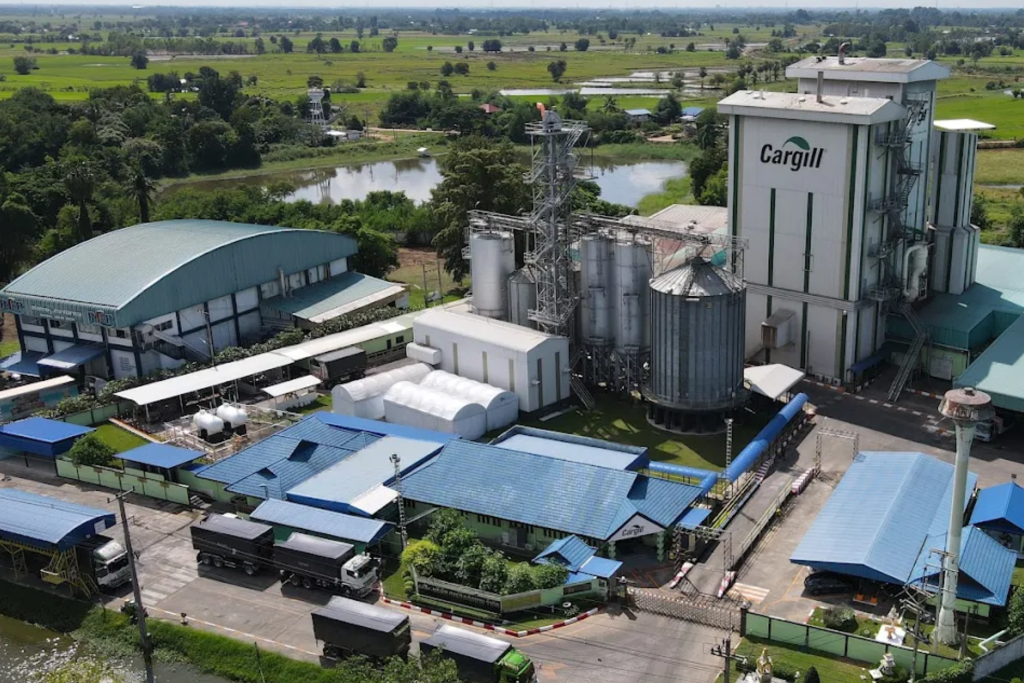
Cargill is investing Bt2 billion (about US$60 million) to expand its poultry operations in Thailand, combining automated processing, artificial intelligence (AI) and additional grain storage to strengthen its integrated food supply chain.
According to Thailand media, the investment includes a new automated cooked-chicken production line at Cargill’s Saraburi facility, scheduled for completion in 2028. The expansion is expected to raise cooked poultry production and exports to around 160,000 tonnes annually and create more than 300 jobs.
Cargill is also building a 30,000-tonne grain silo near its feed mill in Nakhon Ratchasima. The facility is intended to increase raw material storage capacity and provide greater flexibility in grain procurement throughout the year.
For ASEAN food manufacturers, the investment highlights how automation is increasingly being deployed alongside upstream supply-chain infrastructure rather than as an isolated factory upgrade.
At the processing end, Cargill plans to use advanced technologies including AI for data processing and decision-making, with applications supporting food quality and safety management. The company’s investment is also expected to strengthen procurement of domestic raw materials and services, including feed ingredients, grains, seasonings and packaging.
Cargill’s poultry operations in Thailand already support exports to markets across Asia, Europe and North America, making consistency, traceability and food-safety controls important considerations as capacity increases.
The expansion illustrates a broader manufacturing approach: increasing output while addressing potential constraints further upstream. For regional processors, it provides a case study in linking automation, data, storage and procurement to improve production resilience.
As labour availability, input costs and demand for protein continue shaping ASEAN food manufacturing, integrated investment strategies could become increasingly relevant to maintaining competitiveness.
SHARE WITH FRIENDS:
TAGS:



